Buy rcals.com ?
We are moving the project
rcals.com .
Are you interested in purchasing the domain
rcals.com ?
domain@kv-gmbh.de · 0541-91531010
Buy rcals.com ?
What is annexation policy?
Annexation policy refers to the formal process by which a country or government extends its sovereignty over a territory that is not currently under its control. This can involve the incorporation of new land, typically through a legal or administrative procedure. Annexation policy can be a contentious issue, as it often involves disputes over borders, resources, and the rights of the people living in the annexed territory. International law governs the rules and procedures for annexation, and countries must adhere to these regulations when seeking to expand their territories. **
Is the C-rating important for flying FPV drones with LiPo batteries?
Yes, the C-rating is important for flying FPV drones with LiPo batteries. The C-rating indicates the maximum continuous discharge rate of the battery, which is crucial for providing the necessary power to the drone's motors during flight. Choosing a LiPo battery with a sufficient C-rating ensures that the battery can deliver the required current without being overtaxed, which can lead to voltage sag and reduced performance. Therefore, it is important to consider the C-rating when selecting a LiPo battery for FPV drone flying. **


Similar search terms for Annexation
Top-Angebote
Products related to Annexation:


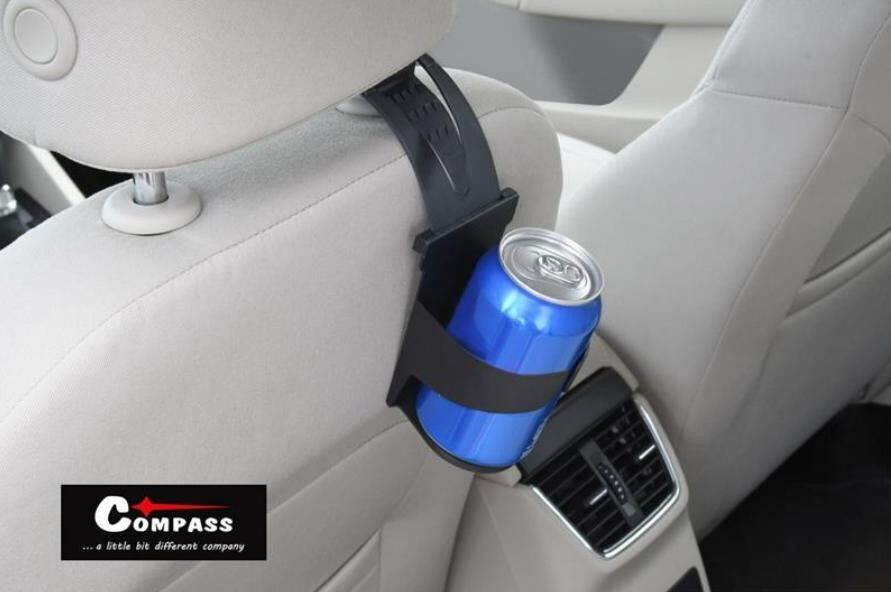

-
What is the annexation of Alsace-Lorraine?
The annexation of Alsace-Lorraine refers to the territory in northeastern France that was annexed by Germany following the Franco-Prussian War of 1870-1871. This region had historically been part of France, but was ceded to Germany as part of the Treaty of Frankfurt. The annexation of Alsace-Lorraine was a source of tension between France and Germany and was a key factor leading to the outbreak of World War I. After World War I, Alsace-Lorraine was returned to France as part of the Treaty of Versailles in 1919. **
-
Why were parts of the West German left against the annexation of the GDR?
Parts of the West German left were against the annexation of the GDR because they believed in the self-determination of the East German people. They saw the annexation as a form of imperialism and a violation of the GDR's sovereignty. Additionally, they were concerned about the potential economic and social upheaval that would result from the integration of the two very different systems. They also feared that the annexation would further entrench the power of the West German state and capitalist interests. **
-
Should there be a renewed annexation of Austria?
No, there should not be a renewed annexation of Austria. Annexation is a violation of a country's sovereignty and self-determination. Austria is an independent and sovereign nation, and any attempt to annex it would be a violation of international law and the principles of self-determination. Instead of seeking to annex other countries, efforts should be focused on promoting cooperation and mutual respect among nations. **
-
What is the difference between annexation and conquest?
Annexation refers to the formal act of incorporating a territory into an existing political entity, often through legal or diplomatic means. Conquest, on the other hand, involves the military takeover of a territory by force, without necessarily seeking formal incorporation. While annexation implies a more organized and deliberate process, conquest typically involves a more coercive and aggressive approach. Additionally, annexation often involves some level of consent or agreement from the annexed territory, while conquest is typically imposed without the consent of the conquered. **

Why did many Austrians actually cheer for the annexation?
Many Austrians cheered for the annexation by Nazi Germany in 1938 because they believed in the promise of economic stability and prosperity that Hitler's regime offered. Additionally, there was a strong sense of nationalism and a desire to unite with Germany, as many Austrians considered themselves to be part of the German nation. The propaganda and intimidation tactics used by the Nazis also played a significant role in influencing public opinion and garnering support for the annexation. **
What were the reasons for Russia's annexation of Crimea?
Russia's annexation of Crimea in 2014 was primarily driven by strategic and security concerns. Crimea is home to Russia's Black Sea Fleet, and control over the region provides Russia with a crucial warm-water port. Additionally, Russia viewed the ousting of Ukraine's pro-Russian president as a threat to its influence in the region and saw the annexation as a way to protect the interests of ethnic Russians living in Crimea. The move was also seen as a way for Russian President Vladimir Putin to boost his popularity domestically. **
Top-Angebote
Products related to Annexation:
-
What is annexation policy?
Annexation policy refers to the formal process by which a country or government extends its sovereignty over a territory that is not currently under its control. This can involve the incorporation of new land, typically through a legal or administrative procedure. Annexation policy can be a contentious issue, as it often involves disputes over borders, resources, and the rights of the people living in the annexed territory. International law governs the rules and procedures for annexation, and countries must adhere to these regulations when seeking to expand their territories. **
-
Is the C-rating important for flying FPV drones with LiPo batteries?
Yes, the C-rating is important for flying FPV drones with LiPo batteries. The C-rating indicates the maximum continuous discharge rate of the battery, which is crucial for providing the necessary power to the drone's motors during flight. Choosing a LiPo battery with a sufficient C-rating ensures that the battery can deliver the required current without being overtaxed, which can lead to voltage sag and reduced performance. Therefore, it is important to consider the C-rating when selecting a LiPo battery for FPV drone flying. **
-
What is the annexation of Alsace-Lorraine?
The annexation of Alsace-Lorraine refers to the territory in northeastern France that was annexed by Germany following the Franco-Prussian War of 1870-1871. This region had historically been part of France, but was ceded to Germany as part of the Treaty of Frankfurt. The annexation of Alsace-Lorraine was a source of tension between France and Germany and was a key factor leading to the outbreak of World War I. After World War I, Alsace-Lorraine was returned to France as part of the Treaty of Versailles in 1919. **
-
Why were parts of the West German left against the annexation of the GDR?
Parts of the West German left were against the annexation of the GDR because they believed in the self-determination of the East German people. They saw the annexation as a form of imperialism and a violation of the GDR's sovereignty. Additionally, they were concerned about the potential economic and social upheaval that would result from the integration of the two very different systems. They also feared that the annexation would further entrench the power of the West German state and capitalist interests. **
Similar search terms for Annexation
-
Compass Accessories 074250 Adapter, zapalovacDodávka energie: zástrčka pro autozapalovač; Napětí [V]: 12, 24; Konektory/Zástrčky: Car cigarette socket; Zatížení při 12V: 60W; Zatížení při 24V: 120W; Délka kabelu [m]: 3; Doplňující výrobek / doplňkové info 2: se zajištěním; Intenzita el. proudu [A]: 5185,99 CZK*Shipping: 235,00 CZKSecure redirect to the provider
-
Should there be a renewed annexation of Austria?
No, there should not be a renewed annexation of Austria. Annexation is a violation of a country's sovereignty and self-determination. Austria is an independent and sovereign nation, and any attempt to annex it would be a violation of international law and the principles of self-determination. Instead of seeking to annex other countries, efforts should be focused on promoting cooperation and mutual respect among nations. **
-
What is the difference between annexation and conquest?
Annexation refers to the formal act of incorporating a territory into an existing political entity, often through legal or diplomatic means. Conquest, on the other hand, involves the military takeover of a territory by force, without necessarily seeking formal incorporation. While annexation implies a more organized and deliberate process, conquest typically involves a more coercive and aggressive approach. Additionally, annexation often involves some level of consent or agreement from the annexed territory, while conquest is typically imposed without the consent of the conquered. **
-
Why did many Austrians actually cheer for the annexation?
Many Austrians cheered for the annexation by Nazi Germany in 1938 because they believed in the promise of economic stability and prosperity that Hitler's regime offered. Additionally, there was a strong sense of nationalism and a desire to unite with Germany, as many Austrians considered themselves to be part of the German nation. The propaganda and intimidation tactics used by the Nazis also played a significant role in influencing public opinion and garnering support for the annexation. **
-
What were the reasons for Russia's annexation of Crimea?
Russia's annexation of Crimea in 2014 was primarily driven by strategic and security concerns. Crimea is home to Russia's Black Sea Fleet, and control over the region provides Russia with a crucial warm-water port. Additionally, Russia viewed the ousting of Ukraine's pro-Russian president as a threat to its influence in the region and saw the annexation as a way to protect the interests of ethnic Russians living in Crimea. The move was also seen as a way for Russian President Vladimir Putin to boost his popularity domestically. **
* All prices are inclusive of VAT and, if applicable, plus shipping costs. The offer information is based on the details provided by the respective shop and is updated through automated processes. Real-time updates do not occur, so deviations can occur in individual cases. ** Note: Parts of this content were created by AI.